Tips, guides, and updates from the 88 Tint Shop team
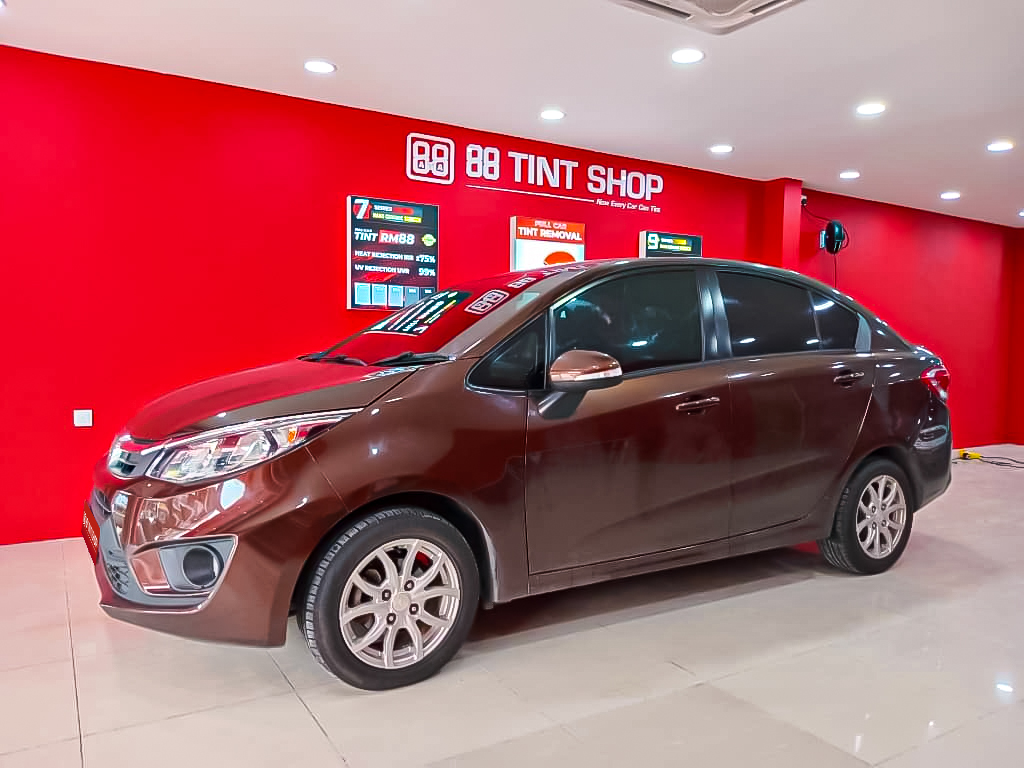
Installing window tint on your car serves several practical and aesthetic purposes, enhancing both the vehicle's functionality and appearance.
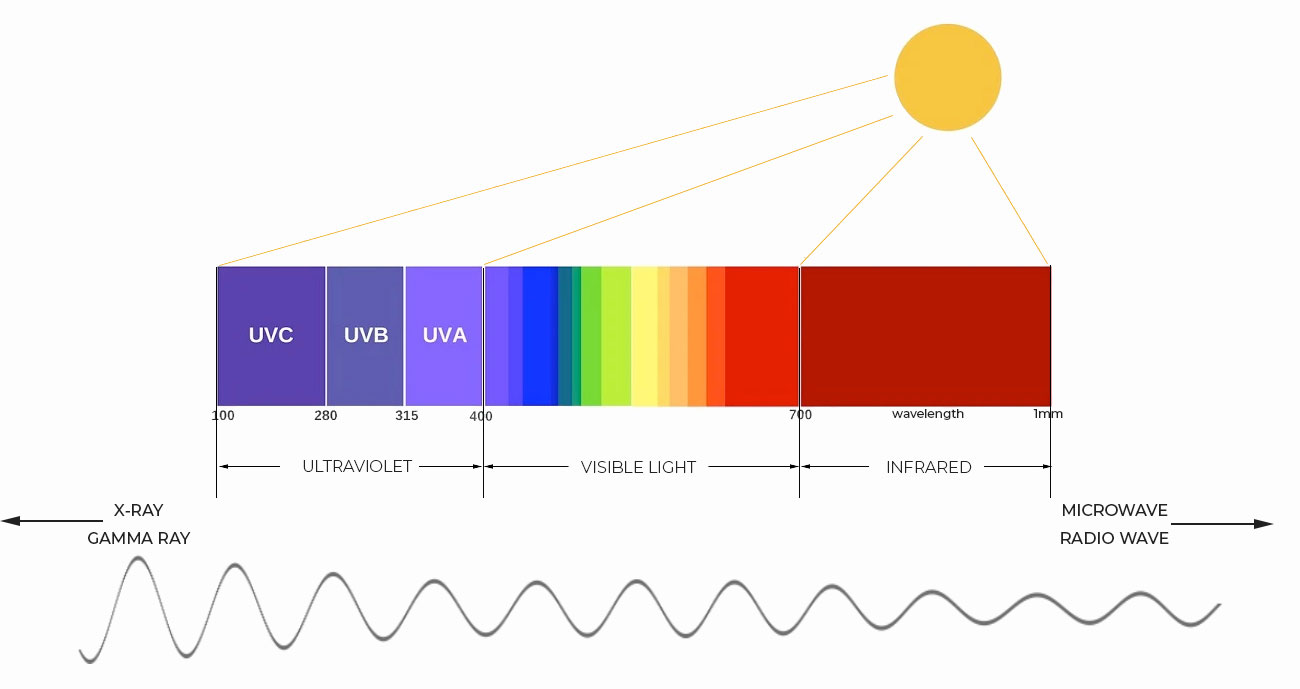
Radiation from the sun is essential for life, but not all of it is beneficial. Among the various types of radiation emitted by the sun, ultraviolet and infrared rays can pose significant risks to human health. Understanding these risks is crucial for effective protection and long-term well-being.
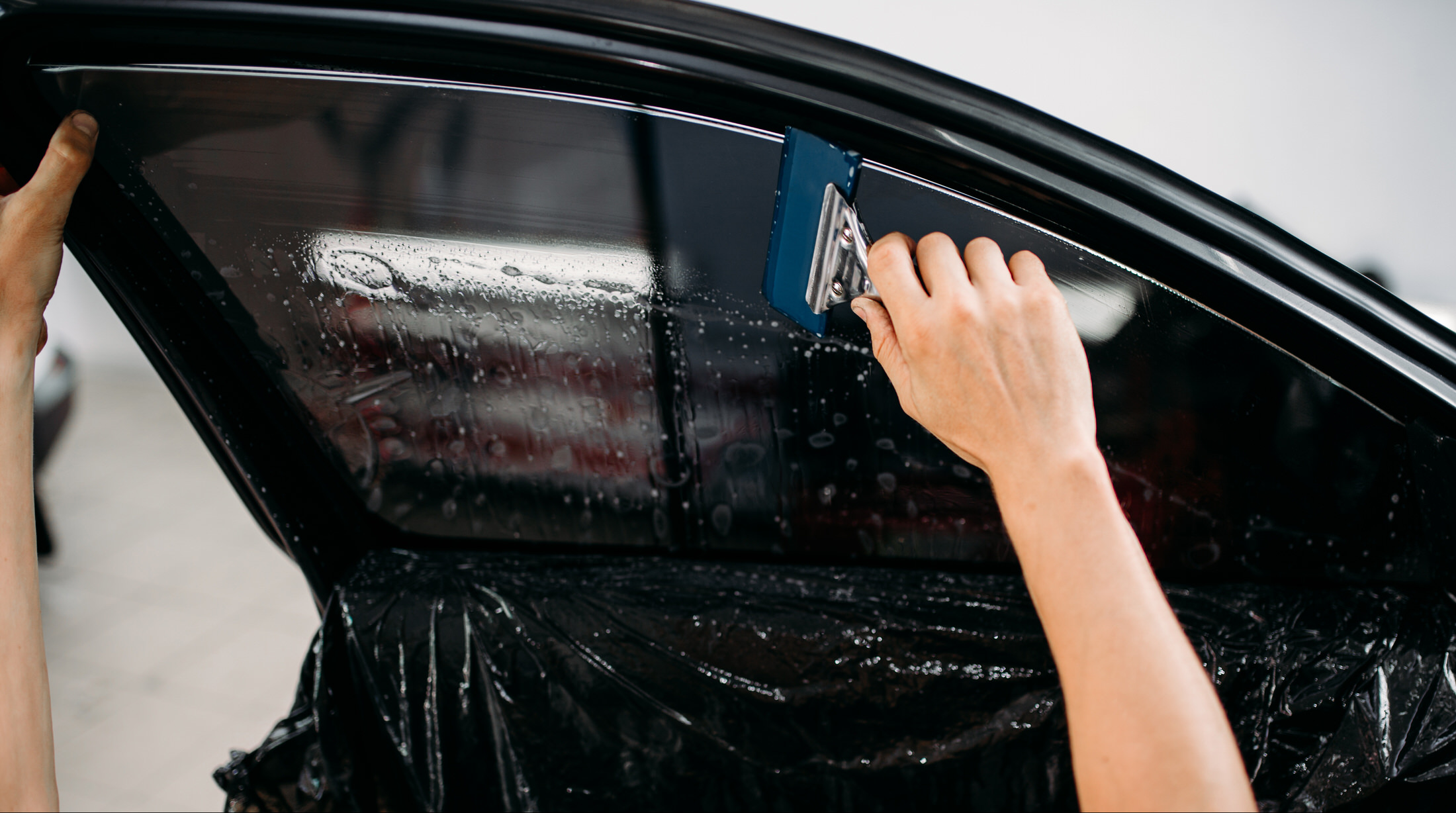
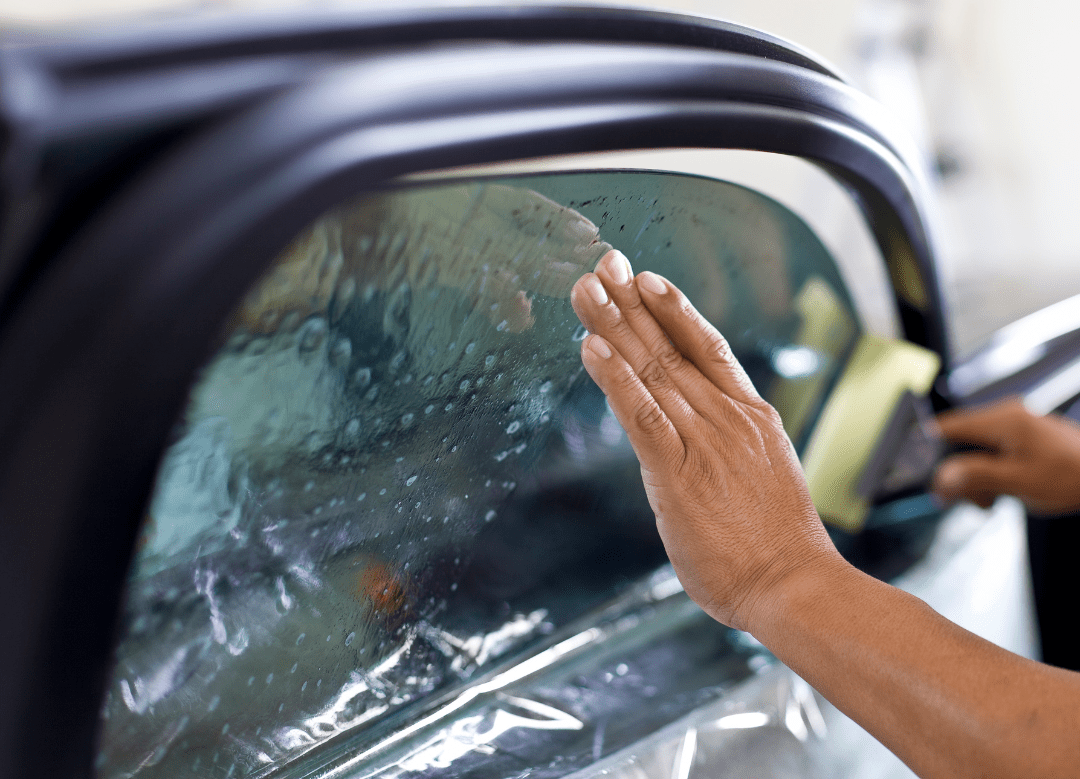
Installing window tint on your car can enhance its appearance and provide numerous benefits, such as heat reduction. While professional installation is recommended for the best results, if you’re considering a DIY approach, here’s a step-by-step guide to help you through the process.
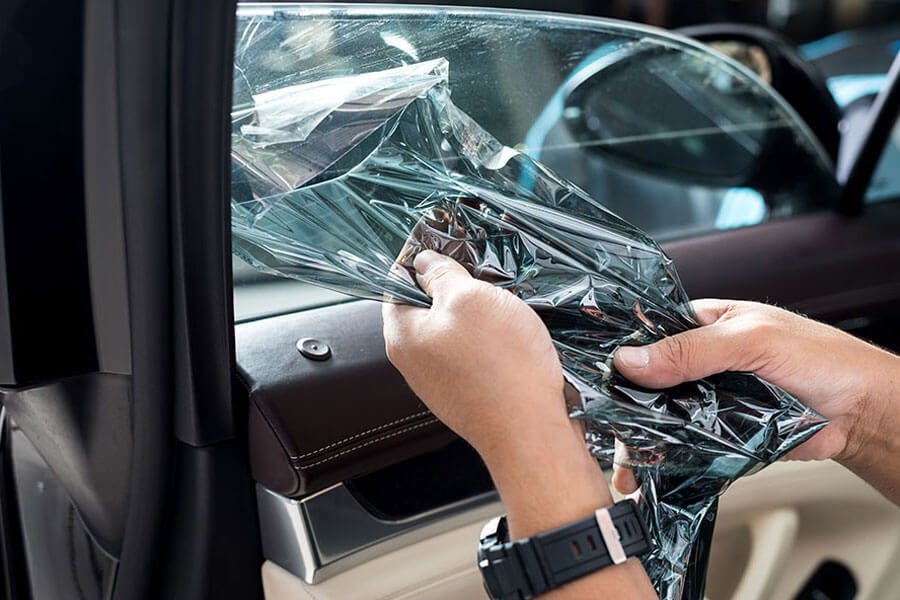
Removing old window tint from your car can be a necessary task, whether due to fading, bubbling, or simply wanting to update the look. While it might seem daunting, the process can be straightforward with the right tools and techniques.
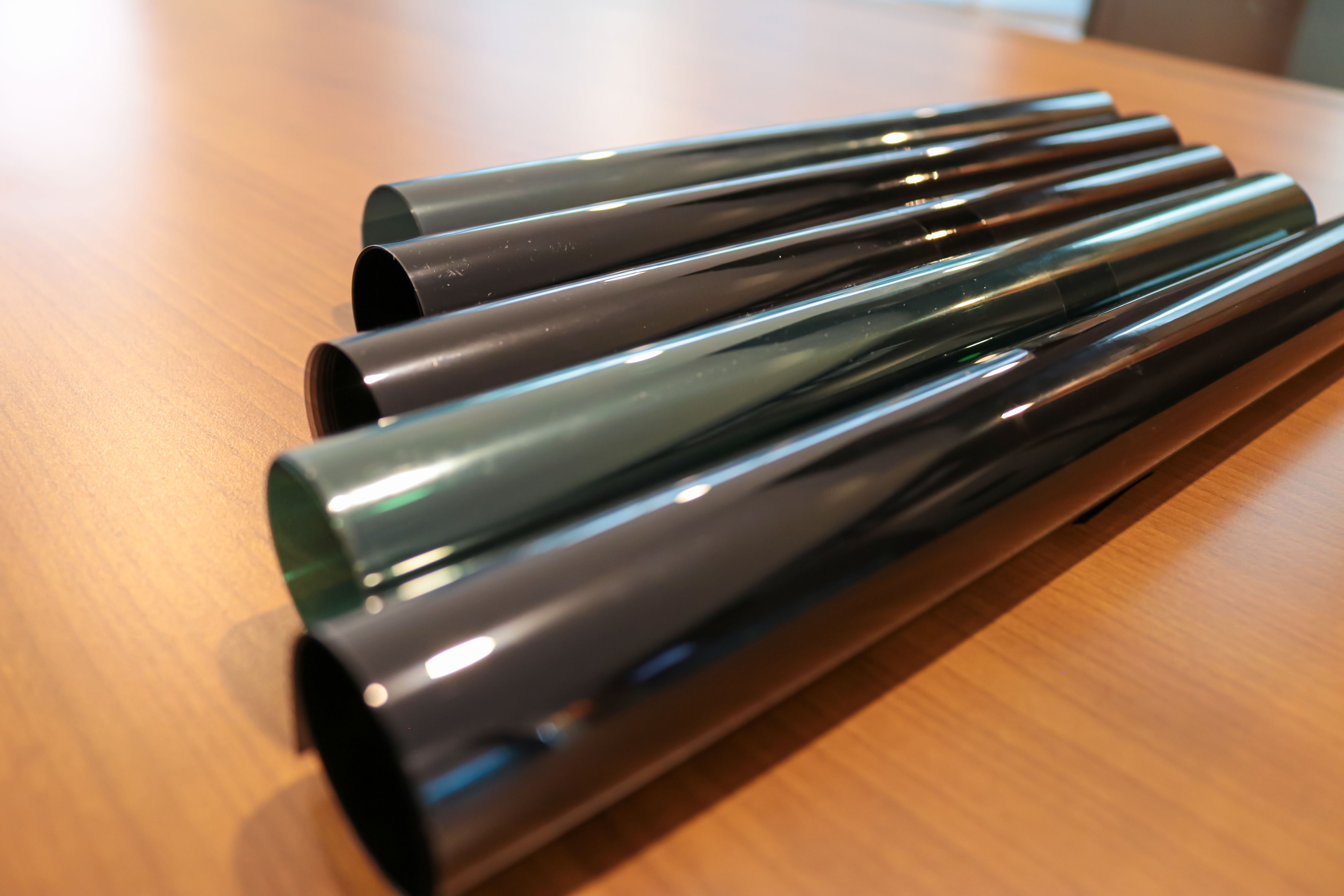
When considering window tint for your vehicle, it's important to understand the different types available and their unique benefits.
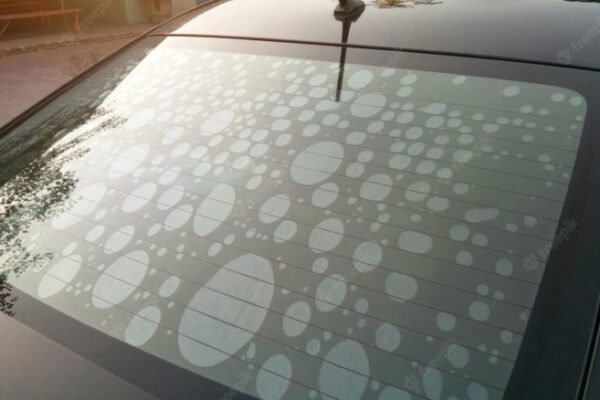
Car window tint can enhance your vehicle's appearance and provide numerous benefits, such as UV protection and heat reduction. However, over time, you may notice that the tint starts to degrade or spoil.
Post-installation care is essential for maintaining your window tint.
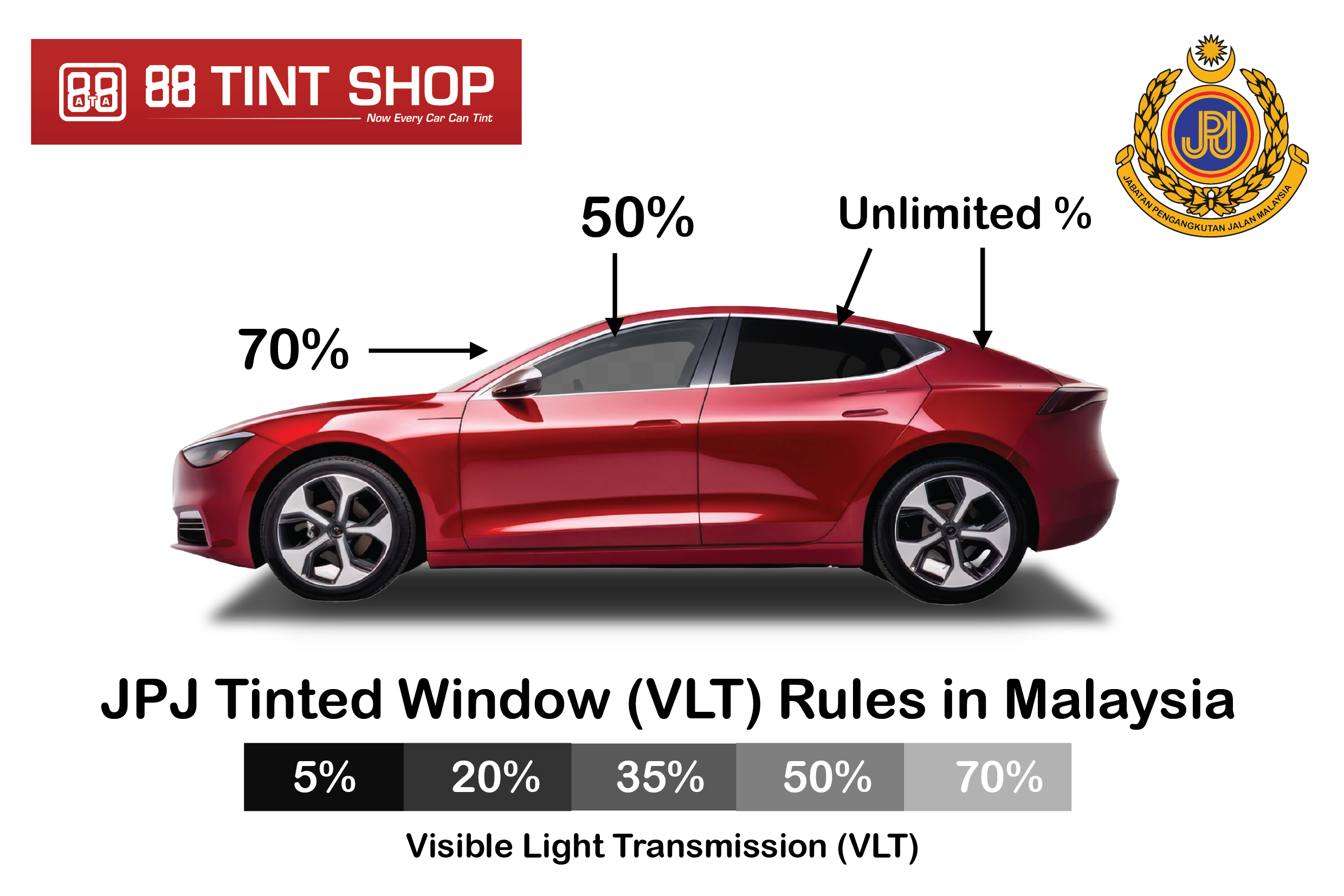
Our goal is to ensure that customers can drive with confidence, without concerns about visibility issues or potential enforcement action.
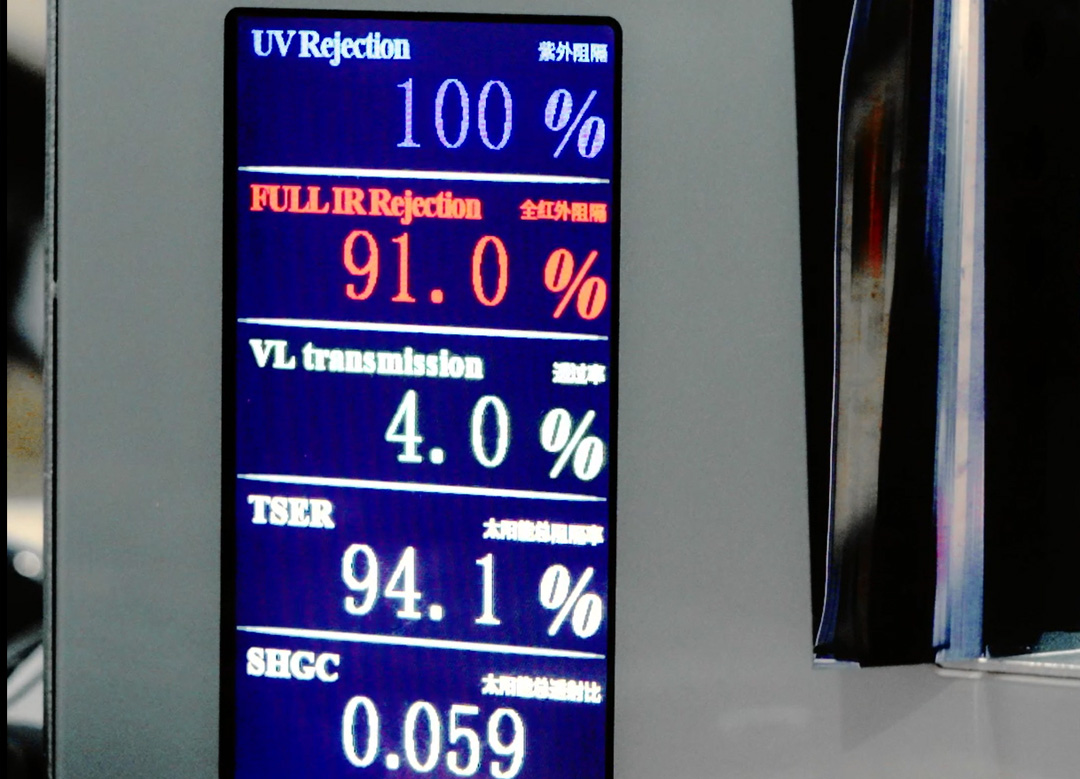
Understanding VLT, IRR, and UVR helps you make a smarter decision when choosing car window tint.