UNDERSTANDING THE HARMFUL EFFECTS OF INFRARED AND UV RADIATION
Understanding the Harmful Effects of Infrared and UV Radiation
Radiation from the sun is essential for life, but not all of it is beneficial. Among the various types of radiation emitted by the sun, ultraviolet (UV) and infrared (IR) rays can pose significant risks to human health. Understanding these risks is crucial for effective protection and long-term well-being.
Ultraviolet (UV) Radiation
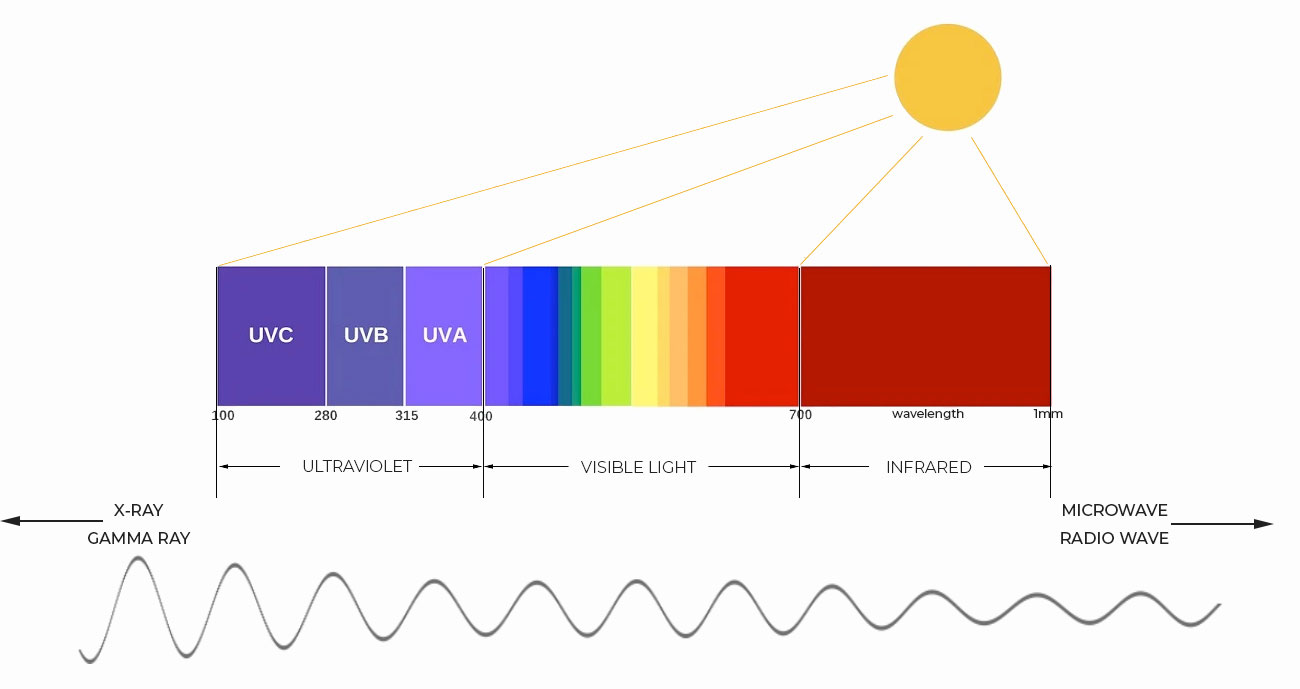
UV radiation is categorized into three types: UVA, UVB, and UVC. While UVC is mostly absorbed by the Earth's atmosphere and doesn't reach the surface, UVA and UVB can cause harm.
- Skin Damage
- Premature Aging:UVA rays penetrate deeply into the skin and can lead to premature aging, characterized by wrinkles, age spots, and a leathery texture.
- Sunburn:UVB rays are primarily responsible for sunburn, leading to redness, swelling, and discomfort. Severe sunburns can cause blisters and peeling.
- Skin Cancer:Both UVA and UVB rays are linked to skin cancer, including melanoma, basal cell carcinoma, and squamous cell carcinoma. Regular exposure without protection increases these risks.
- Eye Damage
- Cataracts:Prolonged exposure to UV radiation can contribute to cataract formation, leading to clouded vision and potential blindness.
- Photokeratitis:This painful condition, akin to a sunburn of the eye, is caused by excessive UV exposure, resulting in temporary vision loss and discomfort.
Infrared (IR) Radiation
Infrared radiation is primarily felt as heat and is less discussed compared to UV radiation, but it can also have harmful effects.
- Skin Damage
- Thermal Burns:Prolonged exposure to high levels of infrared radiation can lead to thermal burns, particularly in vulnerable areas of the skin. These burns can cause pain, redness, and blistering.
- Skin Aging:Chronic exposure to IR can accelerate skin aging by breaking down collagen and elastin, similar to the effects of UV radiation.
- Eye Damage
- Retinal Damage:Infrared radiation can cause heat buildup in the eyes, potentially leading to damage to the retina over time. This can result in vision problems or even blindness.
- Dry Eyes:IR exposure can exacerbate dryness in the eyes, leading to discomfort and irritation.
Conclusion
Both ultraviolet and infrared radiation can have detrimental effects on human health, ranging from skin damage and aging to serious eye conditions. Understanding these risks and taking proactive steps to protect yourself is essential for maintaining long-term health and well-being. By prioritizing protection against these harmful rays, you can enjoy the outdoors safely and minimize potential health issues.